Musée de l'Armée tickets & admission
Compare entry options, check eligibility for free access, and find the best way to book your visit.
About the Army Museum & Les Invalides
The Musée de l'Armée is a diverse institution that merges art, history, and military technology within a 17th-century architectural masterpiece.
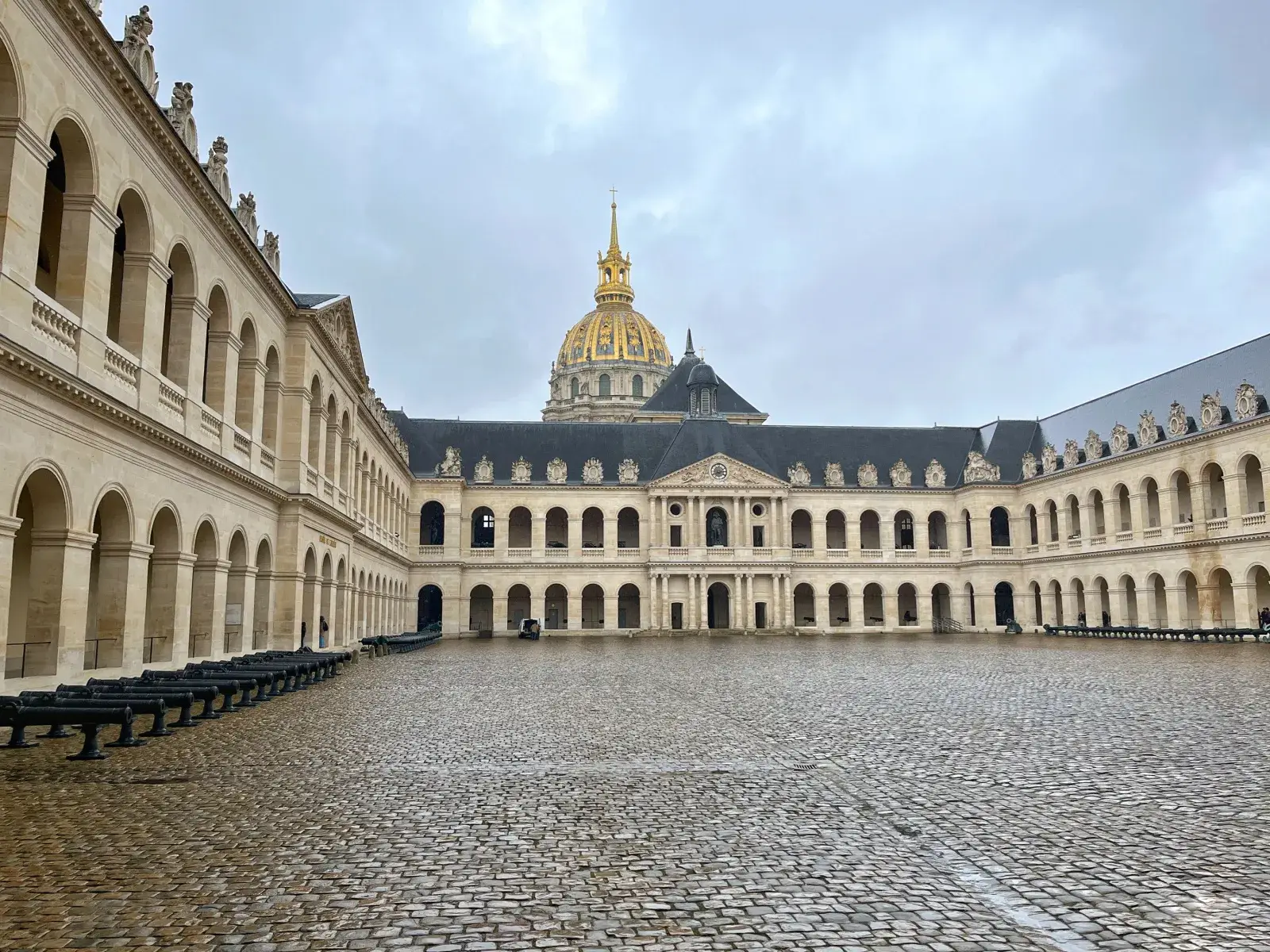
Commissioned by Louis XIV in 1670 as a hospital and home for aged and unwell soldiers, the Invalides complex has remained a central hub of French military memory.
Your ticket grants access to multiple museums within the site: the Army Museum itself, the Museum of Plans-Reliefs (3D strategic maps), and the Museum of the Order of the Liberation.
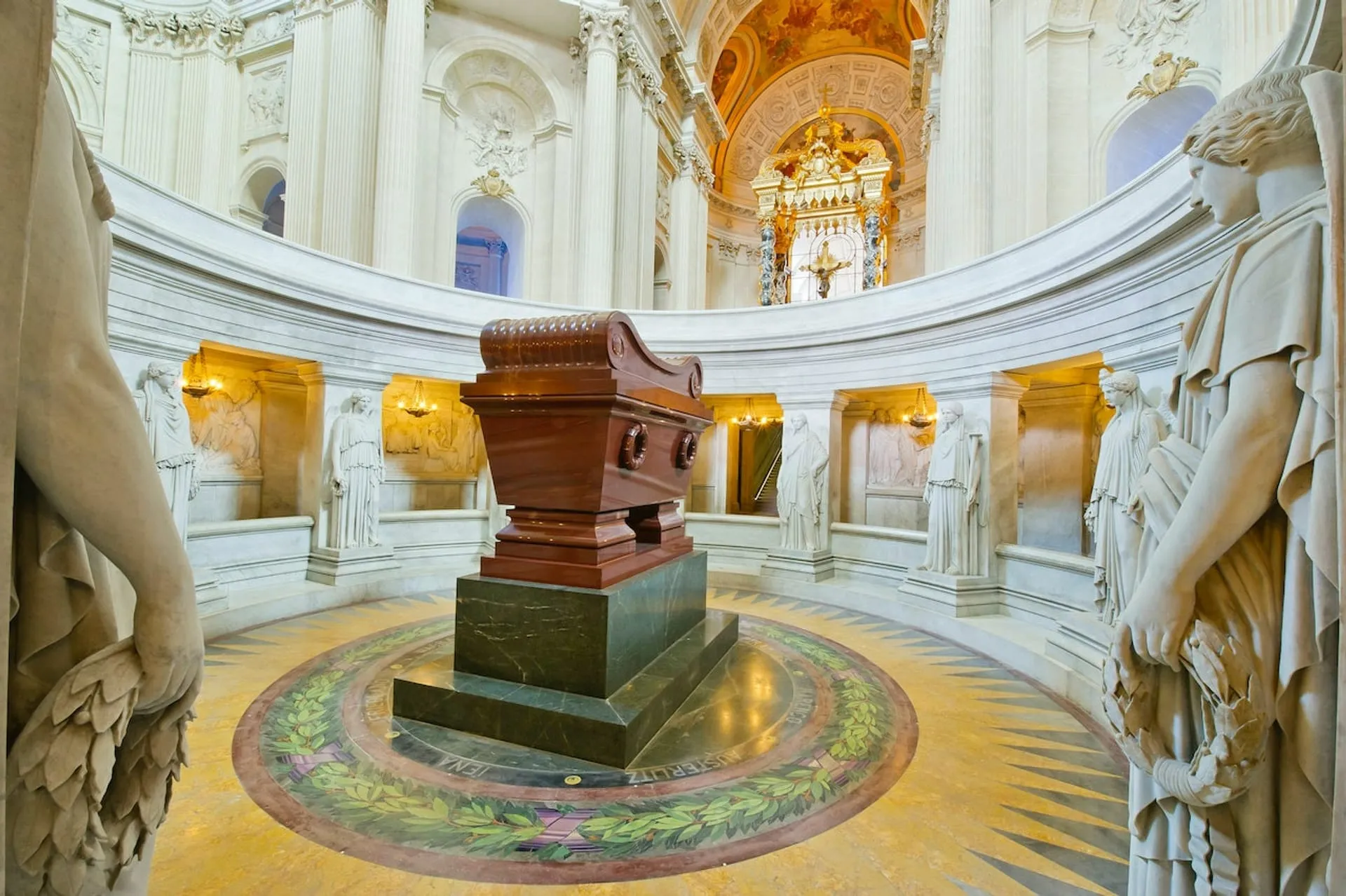
The highlight for many is the Dôme des Invalides, the royal church that became a military pantheon holding the tomb of Napoleon Bonaparte.
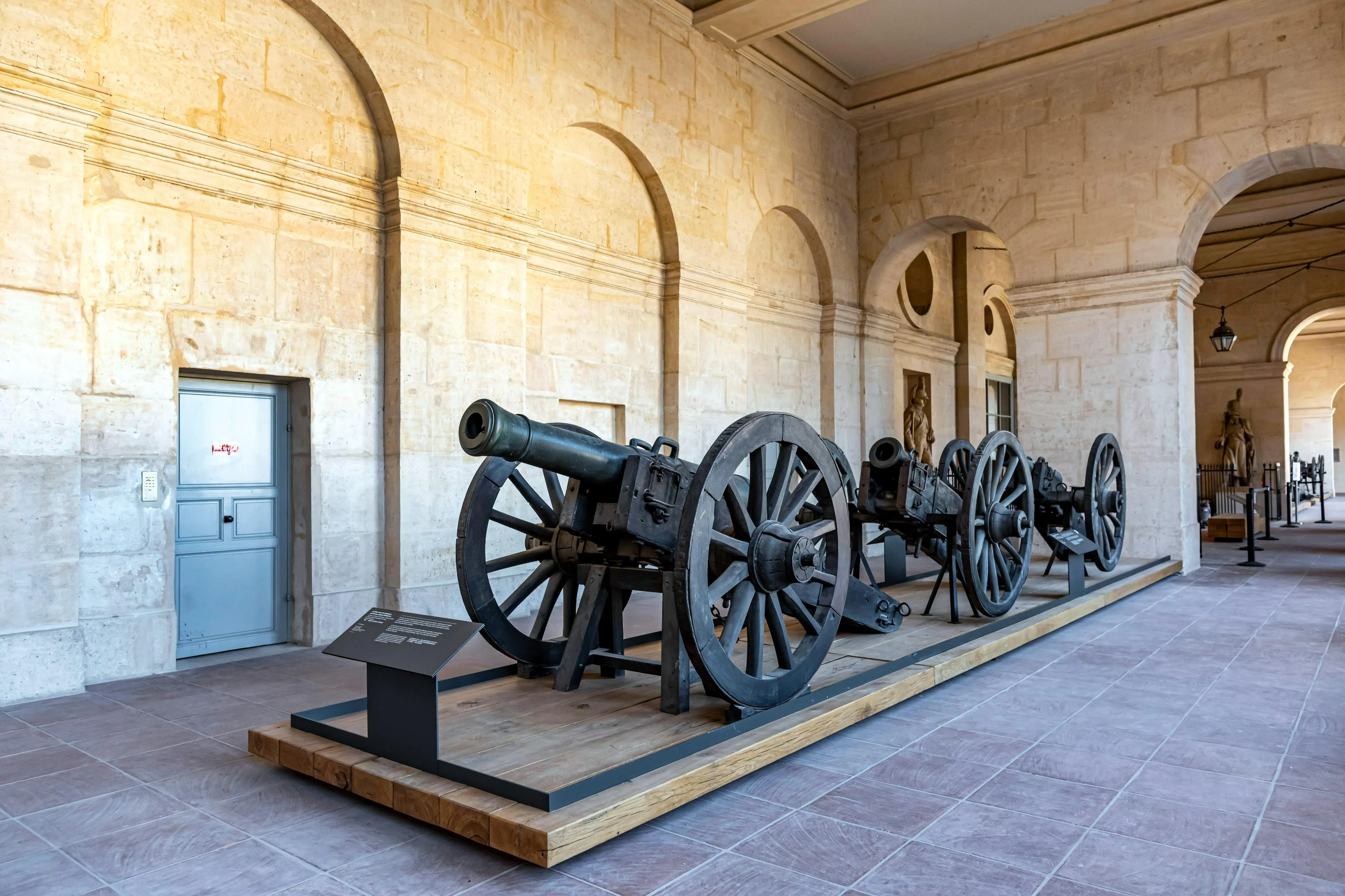
Exhibits range from the 13th century to the modern day, covering feudal wars, the campaigns of the Sun King, the Napoleonic era, and the resistance movements of WWII.
Visit Options
Select your ticket type
Visit Options
Select your ticket type
Musée de l'Armée - Les Invalides & Napoleon's Tomb: Entry Ticket
Explore the military history of France and visit the tomb of Napoleon Bonaparte at Les Invalides.
AURA Invalides: Entry Ticket
Experience the immersive AURA show at Les Invalides, a journey through light and history.
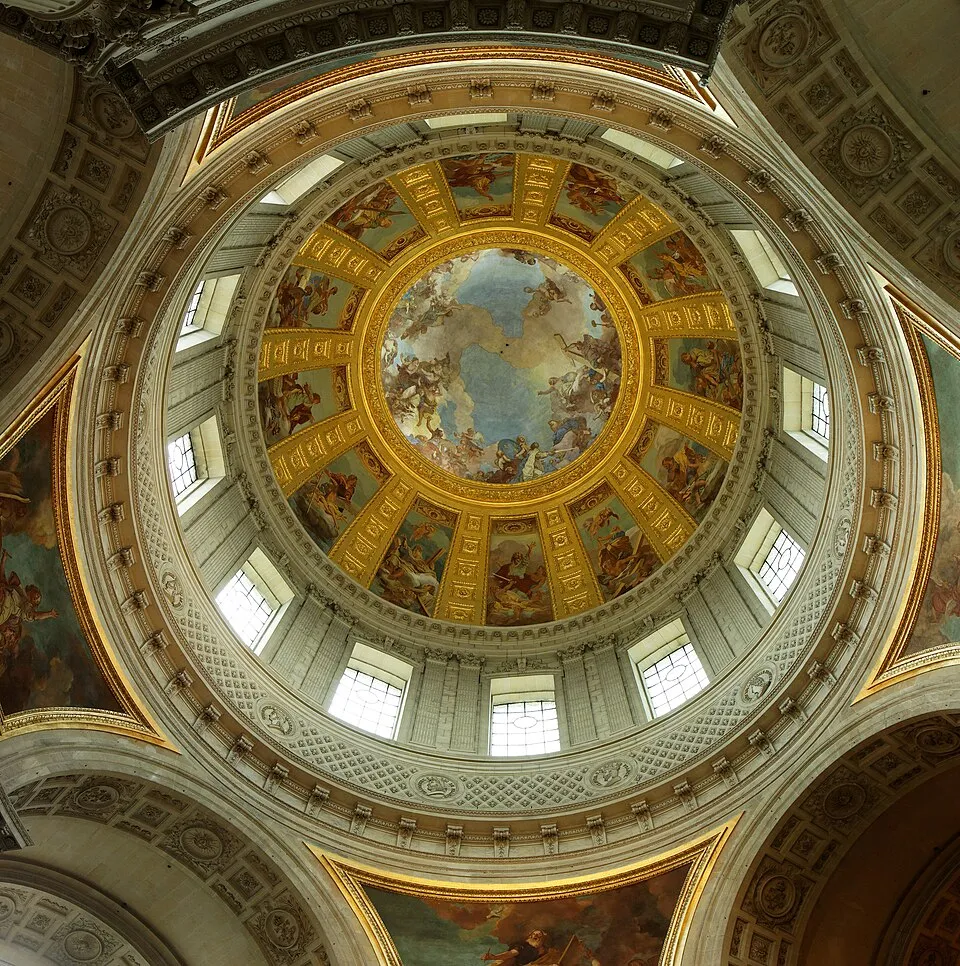
Musée de l'Armée - Les Invalides: Dome - Private Guided Tour
Enjoy an exclusive private guided tour of the Dome Church at Les Invalides.

Musée de l'Armée - Les Invalides: Napoleon's Tomb - Small Group Guided Tour
Discover the secrets of Napoleon's Tomb with a small group guided tour.
Why book online?
Booking your e-ticket in advance saves you time. Instead of waiting in line at the ticket desks on the North or South side, you can proceed directly to the security check and scanning points.
It ensures you have access on busy days. While the complex is huge, visitor flow is managed for comfort, and having a pre-booked slot guarantees your entry time.
Digital tickets are convenient; simply keep the PDF on your smartphone and scan it at the turnstiles at the entrance to the permanent collections and the Dome.
A journey through the Invalides complex
A visit to Les Invalides is a walk through different eras of French grandeur—here is what you can expect:
You inevitably start by admiring the building itself—a classic example of French 17th-century architecture. Passing through the main gate, you enter the Cour d'Honneur (Court of Honor), lined with historic cannons that span centuries of artillery history. It’s here that national tribute ceremonies are still held today. From the courtyard, you can choose your path: turn left for the medieval armor and weapons, or right to explore the timeline from Louis XIV to Napoleon III.
The climax of the visit is usually the Dome. Leaving the museum wings, you walk to the southern end of the complex to enter the Royal Church. The silence and scale of the interior are striking. Looking down into the circular crypt, you see the massive red sarcophagus of Napoleon. Afterward, you might visit the Cathedral of Saint-Louis des Invalides, connected to the Dome, where you can see the captured enemy flags hanging from the vaulted ceiling—a tradition of military trophies dating back centuries.
Location & Opening Hours
- 129 Rue de Grenelle, 75007 Paris, France
- Esplanade side (North): Enter from the Seine side if you want the grand visual approach facing the main arched gate and the Cour d'Honneur.
- Place Vauban (South): Enter from behind if you want direct access to the Dome church and Napoleon's Tomb. This entrance is often quieter.
- Visiting timetable
- Online reservation is highly encouraged, particularly for weekend visits and during the summer tourist season, to ensure your preferred entry slot.
- Press Contact Us in the footer
The collections are organized around the Cour d'Honneur. Detailed maps are available on site to help you navigate between the East Wing (modern history) and West Wing (ancient arms).
Musée de l'Armée: Frequently Asked Questions
Contact & More Information
- 129 Rue de Grenelle, 75007 Paris, France
- Email: contact@invalides-guide.example.com
- Phone: Please consult the official Musée de l'Armée website for the switchboard number.
Always verify the latest entry requirements and closure alerts on the official site before traveling, especially if you are visiting during national ceremonies.
BOOK NOW
Selmo Rosato
This guide is written by history enthusiasts dedicated to helping you navigate the massive Invalides complex. We aim to clarify the layout, the ticket types, and the hidden gems often missed in the sheer volume of artifacts.
Cancellation Policy
Standard museum tickets are generally non-refundable once purchased, although flexibility may apply if you book through certain third-party platforms with specific cancellation policies.
Group Discounts
Groups, schools, and EU residents under 26 often enjoy reduced or free entry rates. Be sure to bring valid ID if you qualify for these concessions.
Important Booking Information
Security checks are strict at the entrance due to the site's military nature (it is still an active military garrison). Avoid bringing large suitcases.
The site is vast and involves a lot of walking. Wear comfortable shoes as you will be traversing cobbled courtyards and long galleries.
In winter, the galleries can be cool, and the courtyard is open to the elements. Dress warmly. In summer, the courtyard can be very sunny with little shade.
Photography is allowed in the permanent collections without flash. Tripods usually require special permission.